When I was a child, there were songs or slogans that depicted us as potential leaders of tomorrow. These phrases were so well-known that at one time, I considered myself to be the future president or someone who would be in a position of power.
I was born in the middle of the 1980s, just before Muhammadu Buhari was thrown out by a coup by his Chief of Army Staff, Major-General Ibrahim Babangida. The irony is that I was also old enough to witness his election as president in 2015. Unfortunately, people will remember him for being one of the most clueless leaders to have helmed affairs in Nigeria.
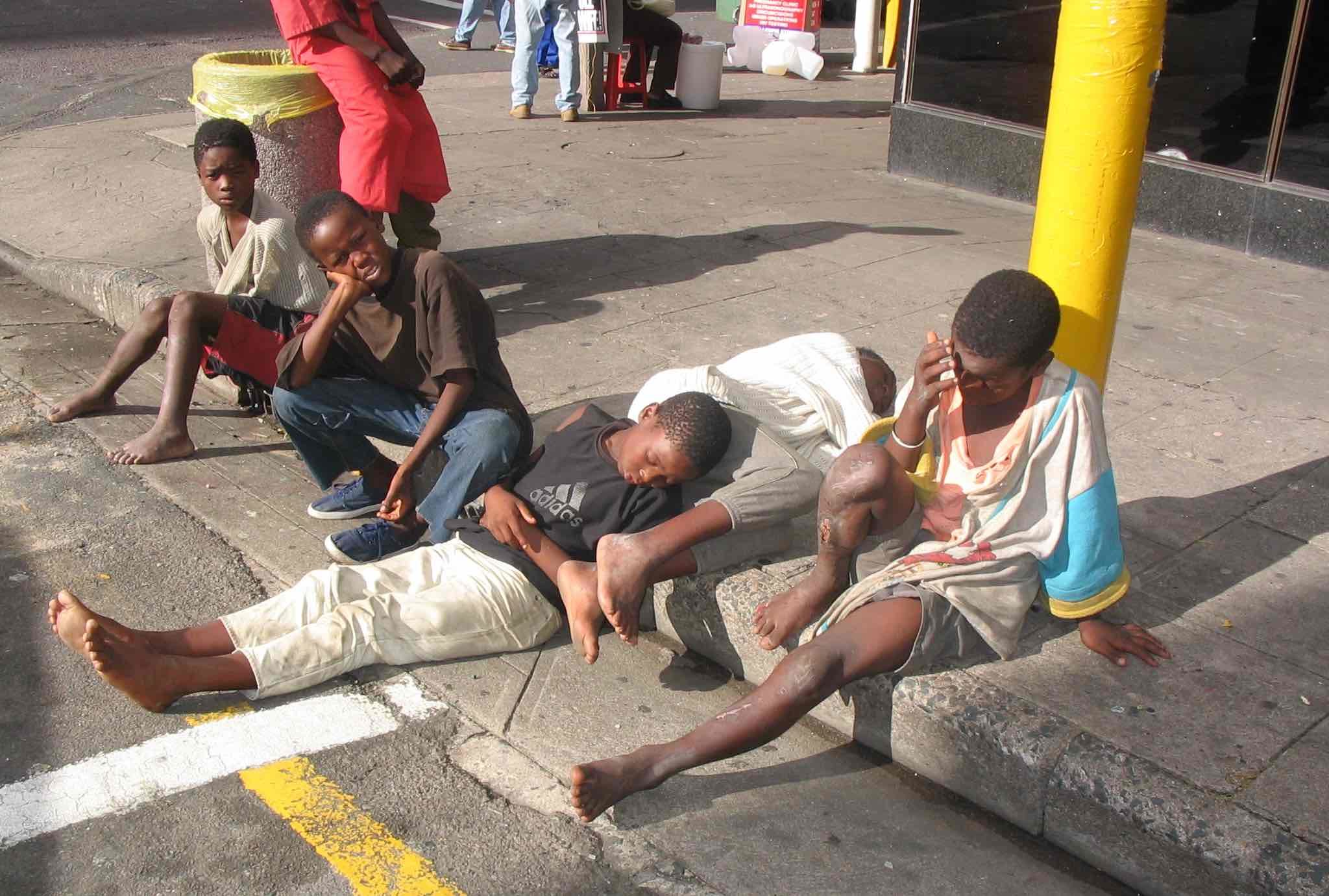
To this day, the majority of the individuals who held power during my childhood are still running the show. Based on this, how are we to be the leaders of tomorrow? It was then that I realized that the “Leader of Tomorrow” slogan wasn’t meant for us, the common people, but for the children of the rich or privileged in power. Today, most of the children who thought they would be leaders of tomorrow have become the foundation of the street children we meet on the streets.
According to ILO and UNICEF, there are about 30 million street children in Africa with South Africa, Kenya, Ethiopia, Egypt, and Nigeria making vast numbers. Street children are children who spend their basic existence on the streets searching for sustenance. The plight of street children on the continent of Africa is truly heartbreaking, as the majority of them are left to face the dangers of street life without anyone to care for them.
What is even more tragic is that, on the continent of Africa, the gap between the rich and the poor continues to grow, and the poor spend their entire lives trying to get rich. African leaders have become so narrow-minded that they have turned a blind eye to the ugly condition of street children. Since the continent has a high number of street children, the question is: Why African leaders haven’t taken steps to stop the large number of street children?
In every country I’ve been to in Africa, I’ve seen young homeless children playing on the roadside or begging. They’re so accustomed to life on the streets that they only think about staying alive. Some of them are as young as four years old, soliciting funds from all those who pass by. All sorts of terrible names have been given to these kids, like “street urchins,” “thieves,” “gangsters,” and so on. It makes you wonder where this problem came from. Did they independently decide to adopt this lifestyle, or did the institution responsible for their welfare contribute to their hardship?
This raises the question of if the African continent is resistant to progress. Africa could benefit significantly from addressing the needs of the 30 million street children in Africa. In a continent with vast human and natural resources, Children in Africa have no business in the streets. It is no longer a secret that most criminals are former products of the streets.
If you interview most criminals today, you will find that most of them were formerly children who grew up in the streets. Unfortunately, some of these children go on to become political thugs, who engage in electioneering violence for the majority of politicians. These are the responsibilities of the African governments, and they could have dealt with this issue earlier to prevent future crimes. If they had spent a fraction of the money they steal to care for every street child, the roads would have been free of displaced children.
It’s a tough world out there, and the motto is “survival of the fittest.” Africa leaders deliberately allowed poverty to thrive because when people are poor and don’t know what they’re doing, they divide and conquer them to stay in power. If there were no thugs on the streets, there wouldn’t be anyone to do the dirty work for the people in power. The elevated crime rate in Africa is attributable to the rising number of street children.
Another sad fact is the absence of laws aimed at rehabilitation of street children. Even when laws are in place, they often become mere paperwork as government officials neglect their responsibilities.
I understand the hardships faced by street children in Africa. They have every reason to feel neglected because their government is against their progress.
I extend a challenge to every African leader currently in power or those who possess the ability to effect change. I challenge you to propose or advocate for laws that will prevent children from being the dominant force on the streets. In Africa, there is enough money and wealth to go around the population, and no child should be on the streets.
The street children should have the chance to become the leaders of tomorrow by having access to the most important things in life, like education, shelter, and a chance to succeed.
Credit Photo: The African Exponent
Leave a Reply